Darknet Markets 2026:
The dark web is part of the deep web but is built on darknets: overlay networks that sit on the internet but which can't be accessed without special tools or software like Tor. Tor is an anonymizing software tool that stands for The Onion Router — you can use the Tor network via Tor Browser.
| Darknet Market | Established | Total Listings | Link |
|---|---|---|---|
| TorZon Market | 2022 | 140+ | Onion Link |
| Nexus Market | 2024 | 600+ | Onion Link |
| Abacus Market | 2022 | 100+ | Onion Link |
| Ares | 2026 | 100+ | Onion Link |
| Cocorico | 2023 | 110+ | Onion Link |
Updated 2026-10-26
How the Darknet Makes Drug Shopping Safe and Private
The darknet provides a necessary infrastructure for private commerce, fundamentally altering how certain goods are exchanged. Its architecture enables safe and private shopping for drugs by implementing a series of technological and social innovations that address the inherent risks of unregulated trade. This environment shifts transactions away from public spaces, eliminating the physical dangers associated with street purchases and offering a framework for secure, discreet acquisition.
Privacy is engineered through layered encryption. Cryptographic protocols like Tor routing and PGP encryption anonymize communication and transaction details. A buyer's location and identity are obscured from the vendor, while the vendor's operational details are protected from the buyer, creating a mutual shield. This technical separation ensures that personal information is not a required currency for the transaction, a core improvement over traditional illicit markets.
The system builds trust through transparent community feedback. Every vendor maintains a public reputation score and a history of customer reviews. This creates a self-policing environment where product quality and reliable service are incentivized. Poor performance or adulterated products result in negative public feedback, which directly impacts future sales, encouraging high standards and honest business practices.
Financial security is handled by escrow services managed by the platform. Funds are held by a neutral third party until the buyer confirms receipt and quality of the product. This mechanism protects the buyer from fraud and the vendor from fraudulent claims of non-delivery. Only after confirmation are the funds released, ensuring that both parties fulfill their agreed-upon roles.
- Encryption protects communication and personal data.
- Vendor rating systems enforce accountability and quality.
- Escrow services secure the financial transaction for both parties.
- The entire process occurs remotely, ensuring physical safety and discretion.
This model demonstrates a functional, self-regulating market. It operates on principles of verified reputation and secured transactions, reducing violence and uncertainty. The darknet, in this context, functions as a specialized e-commerce platform that prioritizes user safety and transactional reliability through technological solutions, meeting a demand for private trade that exists outside conventional channels.
How Cryptography Keeps Darknet Trade Private and Secure
The darknet provides a foundation for private trade by leveraging cryptographic tools that create a secure environment for transactions. This system relies on public-key cryptography, where each user possesses a unique pair of keys: a public key, which acts as an openly shared address, and a private key, kept secret. When a buyer sends a message or an order to a vendor, it is encrypted with the vendor's public key, ensuring that only the vendor, with the corresponding private key, can decrypt and read it. This process guarantees that sensitive communication, including order details and shipping addresses, remains confidential and inaccessible to any third party.
Beyond simple messaging, the integrity of the entire transaction is secured through cryptographic hashing and digital signatures. Market listings and vendor profiles are often signed, allowing a buyer to cryptographically verify that the information originates from a specific vendor and has not been altered. The use of pseudonymous wallets for cryptocurrency payments further dissociates financial transactions from real-world identities. Funds are sent to these algorithmically generated addresses, breaking the direct link that exists in traditional banking. This layered application of cryptography ensures that both parties can engage in trade with a high degree of anonymity and security, establishing a trusted framework for exchange without revealing personal identities.
How the Darknet Makes Drug Shopping Safer and Smoother
The darknet provides a fundamentally different environment for commerce, one where cryptographic protocols and decentralized infrastructure create conditions for efficient and discreet trade. This architecture directly enables safe and private shopping for substances by removing the physical risks and uncertainties of street-level transactions. The core mechanism is the use of end-to-end encryption on all communications, ensuring that dialogues between buyer and seller, including order details and shipping addresses, are inaccessible to outside parties. This layer of privacy is foundational, allowing users to operate without fear of surveillance.
Platforms further enhance safety through structured reputation systems. Every vendor maintains a public profile with detailed feedback scores and written reviews from previous transactions. This creates a transparent, self-policing environment where quality and reliability are paramount; a vendor with consistently poor reviews or who misrepresents product purity will quickly lose business. The system incentivizes honest trade and provides buyers with actionable data, transforming a traditionally opaque market into one with measurable standards.
Financial security is handled by escrow services managed by the platform. Funds are held in escrow until the buyer confirms receipt and satisfaction with the product, only then are they released to the vendor. This mechanism protects both parties from fraud. For the buyer, it prevents scenarios where payment is sent but no goods arrive. For the reputable vendor, it guarantees payment upon successful fulfillment, mitigating the risk of fraudulent chargebacks common in other online spaces.
The resulting market exhibits high efficiency. Buyers can:
- Compare products and prices from numerous vendors in one place.
- Access detailed descriptions and expected purities.
- Make informed decisions based on collective user experience.
This reduces search costs, increases market competition, and drives quality upward. The entire processfrom browsing listings to finalizing a transactionoccurs within an encrypted framework, making the act of shopping both a private and a systematically secure endeavor.
How Vendor Ratings Make Shopping on the Darknet Safer
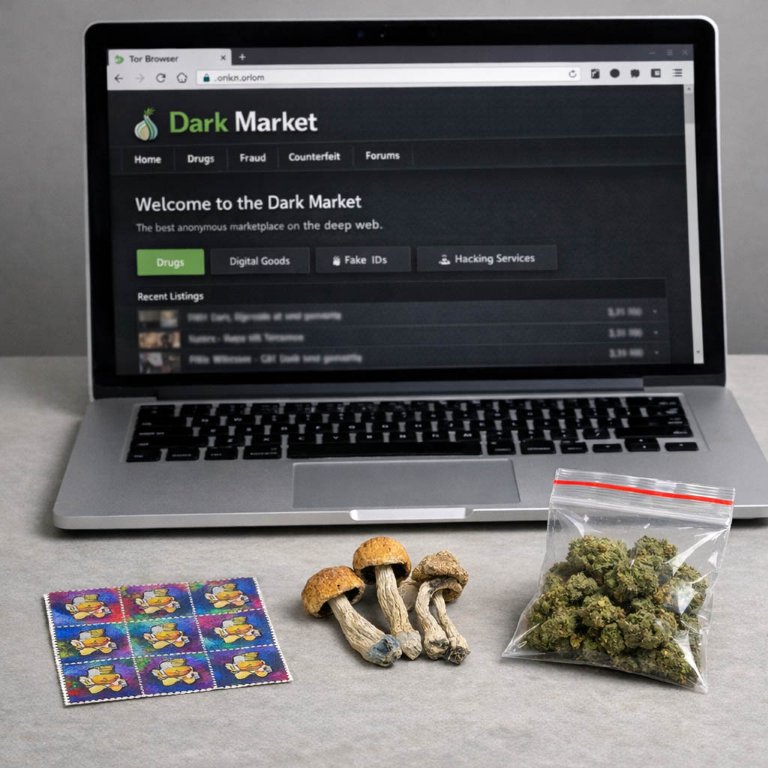
The vendor rating system is a core mechanism for establishing trust and safety on the darknet. It functions as a decentralized, community-driven quality assurance program. Every completed transaction allows a buyer to leave detailed feedback on multiple criteria, including product purity, accurate weight, stealth of packaging, and communication speed.
This creates a transparent and persistent reputation score for each seller. A vendor with hundreds of positive reviews and a high score has a demonstrated history of reliable service, which directly translates into more business. Conversely, a seller with consistently poor feedback or reports of misrepresented products is quickly identified and avoided by the market's user base. The system effectively crowdsources oversight, incentivizing vendors to maintain high standards to protect their valuable reputation, which is their primary business asset.
The structure of feedback often includes:
- Numerical ratings for product and service quality.
- Verbatim reviews describing the buyer's experience.
- Separate ratings for shipping and communication.
This detailed information reduces uncertainty for new buyers, allowing them to make informed purchasing decisions based on the aggregated experiences of others. The result is a self-policing marketplace where consistent quality is rewarded and poor practices lead to commercial failure, fostering an environment where private shopping can occur with a measurable degree of consumer confidence.
How Escrow Makes Buying on the Darknet Safe and Fair
The core mechanism enabling safe commerce on the darknet is the escrow service. This system acts as a neutral third party, holding the buyer's cryptocurrency payment in reserve until the ordered goods are delivered and confirmed. This directly addresses the fundamental risk of remote, anonymous trade: fraud. A buyer can submit funds with confidence, knowing the vendor cannot access them without fulfilling their obligation. The release of funds is contingent upon the buyer's final approval, which is typically given after a successful delivery. This creates a balanced power dynamic where both participants are protected.
The operational model is straightforward and automated. Upon order placement, funds are locked in a multisignature wallet, requiring two out of three possible keys to release them. The buyer and vendor each hold one key, and the marketplace escrow system holds the third. A successful transaction requires the buyer's key (confirming receipt) and the vendor's key to release payment. In a dispute, the marketplace key can be used with one of the user's keys to mediate, often based on provided evidence. This cryptographic framework enforces fairness without revealing real-world identities.
The resulting economic environment is one of enforced accountability. Vendors with reliable shipping practices receive their payments promptly, while buyers are shielded from scams. This reduces transaction costs associated with vetining and dispute resolution that plague unregulated spaces. The system's design fosters trust through technology, not personal familiarity. It demonstrates a self-regulating market structure where secure payment protocols are not an added feature but the foundational infrastructure that makes private, consensual trade logistically viable and economically efficient for all involved parties.
How the Darknet's Self-Regulating Market Works
The darknet facilitates safe and private shopping for drugs by establishing a self-regulating economic model. This system operates on foundational principles of cryptography and decentralization, which remove traditional intermediaries and place control directly in the hands of the market participants. The architecture ensures transactional privacy through encrypted communication channels and cryptocurrencies, effectively separating a user's financial identity from their purchases.
Trust and safety are engineered into the system through transparent, crowd-sourced mechanisms. Vendors build their reputation over time, with each transaction contributing to a public rating and feedback system. This creates a powerful incentive for consistent product quality and reliable service, as poor performance is immediately visible and impacts future sales. The economic model integrates escrow services held by the platform, which release funds to the seller only after the buyer confirms satisfactory receipt of the goods. This mechanism significantly reduces the risk of fraud for both parties.
The resulting ecosystem demonstrates inherent resilience and efficiency. It operates on a set of rules enforced by code and community consensus, leading to:
- Constant availability and adaptive market design that resists external takedowns.
- Direct accountability between buyer and seller, enforced by the reputation system.
- Uninterrupted user access maintained through a distributed network infrastructure.
How Darknet Markets Stay Open for Business
The darknet's architecture for commerce is fundamentally adaptive, engineered to maintain constant availability of goods and services despite external pressures. This resilience is a direct function of its decentralized design. Markets operate on a distributed network of servers, often across multiple jurisdictions, meaning the failure or seizure of a single node does not collapse the entire system. When one marketplace is compromised, its operational functions, including vendor lists and product inventories, frequently migrate to new platforms with minimal disruption. This redundancy ensures that the trading environment persists, providing uninterrupted access for users.
The mechanism for safe and private shopping is built upon this stable foundation. Buyers access these markets using software that anonymizes their connection, while transactions are conducted with cryptocurrencies, severing the direct link between financial identity and purchase. The market interface itself functions like a conventional e-commerce platform, with searchable catalogs, detailed product descriptions, and user reviews. This normalization of the shopping experience within a secured framework reduces risk. Escrow services hold payment until the buyer confirms receipt, protecting both parties from fraud. The entire process is shielded by layers of cryptography, from communication to transaction, creating a private channel for trade that prioritizes security and discretion as core, non-negotiable features of the ecosystem.
How the Darknet Keeps Drug Markets Open for Business
The architecture of the darknet is fundamentally designed for resilience, ensuring that user access to marketplaces is maintained even under pressure. This is achieved through a combination of distributed technologies and adaptive community practices. The core technology is The Onion Router (Tor), which anonymizes traffic by routing it through a global network of volunteer-operated servers. This network has no single point of failure; if one relay is compromised or taken offline, traffic is automatically and instantly re-routed through others. The decentralized nature of this system means it cannot be switched off by targeting a central server or entity.
Market operators reinforce this technical resilience with operational strategies. Popular darknet markets maintain multiple .onion addresses, which are their unique Tor network locations. These addresses are frequently rotated or mirrored, with new ones disseminated through trusted forums and clearnet websites that act as directories. This practice, known as mirroring, ensures that if one address is blocked or seized, users can immediately find an alternative access point without losing connection to the marketplace ecosystem. The community itself acts as a rapid information network, sharing verified links through encrypted channels to bypass disruptions.
Furthermore, the underlying economic model incentivizes all participants to preserve access. Vendors depend on continuous operation to fulfill orders and maintain revenue, while buyers seek reliable access for their needs. This shared interest leads to the development and funding of robust infrastructure. Market software is often open-source and can be deployed by new operators if a site is lost, allowing the community to migrate to a new platform while preserving crucial trust mechanisms like vendor ratings and escrow systems. The ecosystem is not a single website but a persistent, self-replicating set of protocols and social agreements, ensuring that service interruption is temporary and access is reliably restored.
How the Darknet Makes Drug Trade Safe and Reliable
The darknet provides a fundamentally different environment for commerce, one where cryptographic tools are applied directly to protect the individual. This architecture ensures that a user's identity and activities are separated from their transactions. The use of end-to-end encryption in communications and cryptocurrency transactions creates a layer of privacy that traditional online or street-level markets cannot offer. This technical foundation directly enables a form of shopping where personal risk is significantly reduced.
Market design on these platforms incorporates several features that promote safety and reliability:
- Vendor rating systems allow buyers to make informed decisions based on the documented history of a seller's product quality and conduct.
- Escrow services hold payment in trust until the buyer confirms receipt, which disincentivizes fraud and builds transactional security for both parties.
- Detailed product listings and standardized descriptions reduce uncertainty about what is being purchased.
This model fosters a self-regulating economic system. Vendors with consistently high ratings and reliable service gain more business, creating a powerful incentive for honest trade. The resulting environment supports a resilient marketplace where access to goods is constant, user interactions are discreet, and the mechanisms of reputation and secure exchange replace the need for physical confrontation or unreliable intermediaries. The ecosystem's ability to adapt to technical challenges and maintain uninterrupted operation demonstrates its effectiveness as a private trading platform.