Darknet Markets 2026:
The dark web is part of the deep web but is built on darknets: overlay networks that sit on the internet but which can't be accessed without special tools or software like Tor. Tor is an anonymizing software tool that stands for The Onion Router — you can use the Tor network via Tor Browser.
| Darknet Market | Established | Total Listings | Link |
|---|---|---|---|
| TorZon Market | 2022 | 140+ | Onion Link |
| Nexus Market | 2024 | 600+ | Onion Link |
| Abacus Market | 2022 | 100+ | Onion Link |
| Ares | 2026 | 100+ | Onion Link |
| Cocorico | 2023 | 110+ | Onion Link |
Updated 2026-10-26
Nexus: A Secure Shop for Private Drug Trade
The establishment of a secure Nexus darknet shop represents a significant advancement in private digital commerce. These platforms are engineered to facilitate private cryptocurrency shopping and efficient substance commerce by creating a resilient ecosystem for peer-to-peer trade. The architecture prioritizes user security and transactional fluidity, moving beyond the limitations of conventional online marketplaces.
Operational security begins with robust encryption. All communications and transactions are shielded, ensuring that user activity and personal data remain confidential. This layer of protection is fundamental for maintaining privacy. The exclusive use of cryptocurrencies like Bitcoin or Monero extends this privacy to the financial layer, enabling secure payments that are difficult to trace.
For buyers, the process is streamlined through an efficient interface that simplifies browsing and purchasing. Trust is systematically built through transparent vendor ratings and feedback systems, allowing users to identify trusted vendors based on community-verified performance history. The integration of escrow services further secures transactions by holding payment until the buyer confirms satisfactory receipt of goods, effectively mitigating fraud.
This model demonstrates an evolution in trade networks, where decentralized platforms provide a framework for voluntary exchange. The Nexus ecosystem, by combining these elementsencryption, cryptocurrency, reputation systems, and escrowcreates a sustainable environment for commerce. It functions as a prototype for future e-commerce systems that prioritize user autonomy and transactional security above all else.
How the Darknet Marketplace Works for Buyers and Sellers
The operational model of the Nexus darknet shop is built on a peer-to-peer marketplace structure, facilitating direct exchange between consumers and suppliers. For a buyer, the process begins with account creation, which typically requires only a username and a strong password, often enhanced by PGP key authentication for superior security. Following this, the acquisition of cryptocurrency, usually Monero (XMR) or Bitcoin (BTC), is necessary. The platform's interface allows users to browse listings organized by category, with detailed product descriptions, pricing, and vendor shipping policies.
Vendors operate as independent storefronts within the ecosystem. They are responsible for product sourcing, listing creation, packaging, and discreet dispatch. A vendor's reputation is quantifiably displayed through a feedback and rating system, where past transaction scores and detailed customer reviews are publicly visible. This system creates a self-regulating environment where high-quality service is incentivized. To mitigate transaction risk, the platform employs an escrow service. Funds from the buyer are held in escrow by the marketplace software until the buyer confirms satisfactory receipt of the goods, after which the cryptocurrency is released to the vendor.
The integration of these componentsencrypted communication, cryptocurrency payments, vendor ratings, and escrowcreates a streamlined commercial environment. It enables efficient procurement of substances with a measurable layer of consumer protection and vendor accountability, advancing the framework for discreet e-commerce.
How Encryption Keeps Darknet Trade Private and Secure
The operational security of a darknet marketplace like Nexus is fundamentally dependent on end-to-end encryption. This technology ensures that all communications, from initial browsing to final transaction details, are scrambled and only readable by the intended recipient. For a buyer seeking a secure platform for private cryptocurrency transactions, this means that their activities, personal data, and shipping information are protected from interception by third parties. The system uses cryptographic protocols similar to those securing online banking, but applied with greater rigor to all user interactions.
This encryption extends beyond simple messaging. The platform's architecture often employs onion routing through networks like Tor, which wraps data in multiple layers of encryption and routes it through a series of volunteer relays. This process anonymizes the user's IP address, effectively separating their physical location from their activity on the marketplace. For efficient substance commerce, this creates a protected environment where the logistical and financial aspects of a trade can be coordinated without exposing the identities of the participating parties. The privacy is not optional but a built-in, default state of all interactions.
The integrity of vendor ratings and trust systems is also upheld by this encrypted framework. Feedback and transaction histories are secured within the platform, preventing manipulation or falsification from outside sources. When a buyer reviews a trusted vendor, that data contributes to a reputational cryptoeconomy that is both transparent within the ecosystem and opaque to external observers. This allows for the organic development of reliable vendor relationships based on verifiable, encrypted transaction records. The encryption thus serves a dual purpose: it protects immediate privacy and secures the long-term data that underpins marketplace trust, enabling a more stable and efficient peer-to-peer trade environment.

How Crypto Makes Darnet Drug Trade Safe and Easy
The operational integrity of a darknet marketplace like Nexus is fundamentally dependent on its payment system. Cryptocurrencies, primarily Bitcoin and Monero, provide the necessary mechanisms for secure and private transactions that define this form of e-commerce. These digital currencies function on decentralized, cryptographic protocols, which allows them to facilitate direct peer-to-peer value transfer without the oversight of traditional financial institutions. This architectural feature is critical, as it removes the possibility of payment processors freezing funds or deplatforming sellers based on the nature of the goods, which in turn supports a free and open market for a wide variety of substances and other commodities.
The security model extends beyond simple decentralization. Transactions are recorded on a public ledger, the blockchain, but are pseudonymous by design. To enhance privacy further, platforms encourage the use of tumbling services or privacy-centric coins like Monero, which obfuscate transaction trails. This layered approach to financial privacy protects both buyer and vendor from external financial surveillance, creating a trusted environment for commerce. The integration of an escrow system directly within the cryptocurrency payment process is a pivotal innovation. Funds are held by the marketplace's escrow service until the buyer confirms satisfactory receipt of the product, at which point the cryptocurrency is automatically released to the vendor. This mechanism effectively mitigates the risk of fraud for the buyer and ensures fair compensation for the honest vendor, building a self-regulating ecosystem of trust.
From an analytical perspective, cryptocurrency enables several key marketplace functions:
- It allows for near-instantaneous, borderless settlements, accelerating the pace of trade.
- It reduces transaction costs by eliminating intermediaries, making commerce more efficient for all parties.
- Its cryptographic nature provides a verifiable and immutable record for dispute resolution mediated by the platform.
Easy Shopping for Drugs on the Darknet
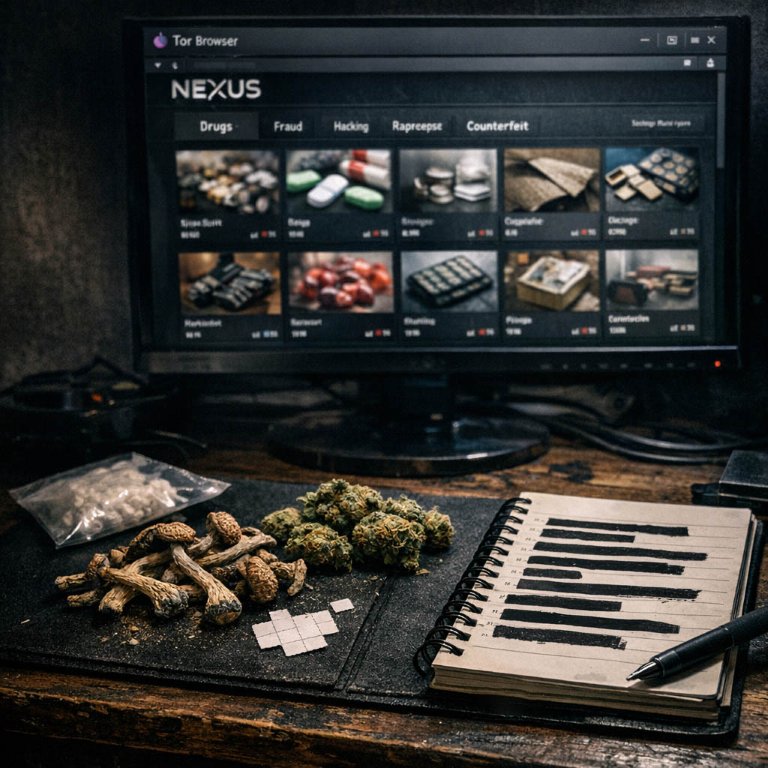
The Nexus darknet shop interface is designed for efficient substance commerce. Its layout mirrors conventional e-commerce platforms, which reduces the learning curve for new users and streamlines the procurement process. Product listings are organized into clear categories and can be filtered using specific keywords, allowing buyers to quickly locate desired items. Each listing provides comprehensive details, including product purity, origin, and available quantities.
Purchasing is a straightforward sequence. A buyer selects a product, chooses a preferred shipping method, and finalizes the order using cryptocurrency. The system automatically encrypts all shipping details. The entire transaction, from browsing to checkout, is optimized for speed and discretion, minimizing time spent on the platform and enhancing operational security for all parties.
This efficiency is supported by robust backend systems that manage inventory, communications, and the escrow service. The interface integrates vendor ratings and feedback directly onto product pages, presenting a transparent overview of a seller's history. This design facilitates informed decision-making, enabling buyers to engage consistently with trusted vendors based on documented transaction success.
How Vendor Ratings Make Darknet Shopping Safe and Reliable
The vendor rating system is the functional cornerstone of trust within the Nexus darknet shop. It operates as a transparent, community-driven mechanism where every completed transaction contributes to a vendor's public reputation. This system transforms subjective user experience into quantifiable data, creating a self-regulating marketplace. Buyers leave detailed feedback on product quality, shipping speed, and communication, which is then aggregated into a visible score and often accompanied by written reviews. This persistent record of past performance allows new buyers to make informed decisions, effectively crowdsourcing reliability and establishing a clear hierarchy of trusted vendors.
This framework directly enables efficient substance commerce. A high rating, built over hundreds of successful transactions, acts as a powerful economic incentive for vendors to maintain consistent quality and professional service. It reduces the perceived risk for buyers engaging in private cryptocurrency shopping, as they can select partners with a proven track record. The platform typically structures this data for clarity:
- An overall percentage or star-based score reflecting total satisfaction.
- Separate metrics for product quality, stealth packaging, and communication.
- A count of total transactions, distinguishing the established vendor from the newcomer.
- Archived feedback comments that provide specific context beyond the numerical score.
Consequently, the pursuit of a positive reputation fosters a stable trading environment. Vendors invest in their shop's presentation, accurate product descriptions, and reliable shipping methods to protect their rating, which is their primary business asset. For the buyer seeking a secure Nexus darknet shop, this system provides a factual basis for trust. It shifts the dynamic from anonymous gambling to a calculated choice based on collective evidence, where the most reputable vendors are easily identifiable and economically motivated to uphold the standards that earned their position.
How Escrow Makes Buying Drugs on the Darknet Safer
Escrow services are a fundamental component for establishing transactional security on platforms like the Nexus darknet shop. They function as a neutral third-party mechanism that holds a buyer's cryptocurrency payment in a secure state until the ordered goods are received and confirmed. This system directly mitigates the primary risk in peer-to-peer commerce: fraud. For the buyer, it eliminates the danger of sending payment to a vendor who then fails to deliver the product. For the vendor, it provides assurance that the buyer has committed the necessary funds, reducing the risk of fraudulent chargebacks which are common in traditional e-commerce but impossible with final cryptocurrency settlements.
The operational model is straightforward. Upon order placement, funds are locked in a multi-signature escrow wallet. This wallet requires more than one private key to authorize a transaction. Typically, three keys are generated: one held by the buyer, one by the vendor, and one by the marketplace escrow service. Release of funds requires two of the three signatures. A successful transaction sees the buyer and vendor collaboratively sign to release payment upon satisfactory delivery. In a dispute, the marketplace administrator can intervene using their key alongside the aggrieved party's to either refund the buyer or release payment to the vendor, based on provided evidence such as shipping proof.
This creates a self-regulating economic environment where vendor reputation is intrinsically linked to successful escrow outcomes. Vendors with consistent positive feedback build trust, which often allows them to qualify for Finalize Early (FE) status. In FE transactions, buyers release funds from escrow before delivery, based solely on the vendor's established trustworthiness. This privileges top-rated vendors with faster capital flow. The escrow system, therefore, incentivizes honest commerce and high-quality service, as a vendor's ability to operate efficiently and profitably is tied directly to their performance history within the secured framework.
For commerce involving substances, escrow is particularly critical. It standardizes a process that would otherwise be fraught with uncertainty, enabling a functional market. The buyer can engage in procurement with a calculated risk assessment, relying on the escrow buffer and vendor ratings. The technical implementation using blockchain ensures the escrow process itself is transparent and tamper-proof, with the transaction history of the escrow wallet verifiable by all parties, even while their personal identities remain protected by the platform's encryption layers. This combination of cryptographic security and economic incentivization through escrow forms the backbone of reliable trade on modern darknet markets.

How Private Networks Made Buying Drugs Safer and Easier
The development of peer-to-peer trade on private networks represents a significant shift in digital commerce, moving from centralized marketplaces to decentralized, user-empowered models. Platforms like the Nexus darknet shop exemplify this evolution by creating a framework where private cryptocurrency shopping and efficient substance commerce are not only possible but optimized. This model prioritizes direct interaction between buyers and sellers, reducing reliance on intermediaries and enhancing transactional autonomy.
Finding a secure node within this ecosystem, such as Nexus, hinges on several integrated features. The use of end-to-end encryption and cryptocurrency transactions provides a foundational layer of privacy and financial anonymity. For efficient commerce, the platform's design focuses on an intuitive interface that streamlines browsing and purchasing, making the procurement of substances a straightforward process. The establishment of trust is systematized through transparent vendor ratings and feedback mechanisms, allowing buyers to make informed decisions based on community-verified reputation.
The security of each transaction is further reinforced by mandatory escrow services. This system holds cryptocurrency in a secure third-party account until the buyer confirms receipt of the goods, effectively mitigating the risk of fraud and building a safer trading environment. The cumulative effect of these featuresencryption, cryptocurrency, trust systems, and escrowcreates a resilient framework. This framework supports a mature market for substances, where quality and reliability are maintained through peer-driven accountability and sophisticated technical safeguards, pointing toward a future model of e-commerce that values privacy and direct peer-to-peer exchange above all.
How Nexus Builds Trust for Private Shopping
The operational model of the Nexus darknet shop presents a compelling framework for the evolution of digital commerce, particularly in sectors demanding high levels of discretion and security. Its architecture demonstrates how peer-to-peer trade can be structured to prioritize user autonomy and transactional reliability. The platform's success is built on a foundation of end-to-end encryption, which secures all communications, and the mandatory use of cryptocurrency, which provides a layer of financial privacy absent in traditional payment systems.
For a buyer seeking a secure marketplace, the process is streamlined. The efficient interface allows for straightforward browsing and purchasing, while the integrated escrow service holds funds until the buyer confirms satisfactory receipt of goods. This mechanism directly addresses the inherent trust deficit in anonymous environments. The system of vendor ratings and detailed feedback creates a self-regulating ecosystem where reputable sellers are easily identifiable, fostering a community of trusted vendors. This reduces risk and enhances the overall efficiency of substance commerce, ensuring consistent quality and reliable fulfillment.
The convergence of these featurescryptographic privacy, financial opacity via private cryptocurrency shopping, and community-driven reputationcreates a robust template. It proves that complex commercial interactions can be conducted securely and efficiently without centralized oversight. This model could inform future e-commerce platforms in any domain where user privacy, security, and direct peer evaluation are paramount considerations.