Darknet Markets 2026:
The dark web is part of the deep web but is built on darknets: overlay networks that sit on the internet but which can't be accessed without special tools or software like Tor. Tor is an anonymizing software tool that stands for The Onion Router — you can use the Tor network via Tor Browser.
| Darknet Market | Established | Total Listings | Link |
|---|---|---|---|
| TorZon Market | 2022 | 140+ | Onion Link |
| Nexus Market | 2024 | 600+ | Onion Link |
| Abacus Market | 2022 | 100+ | Onion Link |
| Ares | 2026 | 100+ | Onion Link |
| Cocorico | 2023 | 110+ | Onion Link |
Updated 2026-10-26
How the Darknet's Privacy Makes Buying Easier and Safer
The darknet's architecture is fundamentally designed for resilience and anonymity. It operates on overlay networks that require specific software for access, effectively creating a separate, encrypted layer of the internet. This structure provides a robust foundation for marketplaces by obscuring the physical location of servers and the identities of users. The core technology, such as The Onion Router (Tor), routes traffic through multiple volunteer-operated servers, encrypting the data at each step. This makes tracking the origin or destination of communications exceptionally difficult.
This inherent anonymity directly enables the primary function of these markets: facilitating secure transactions for a wide range of goods. Users can engage in trade without revealing personal identifiers, which reduces the risk of exposure. The resilience is further reinforced by the decentralized and often redundant hosting of market sites, allowing them to persist even if individual nodes are compromised. The combination of these technical features creates a persistent environment where economic activity can proceed with a high degree of perceived security, fostering a stable and self-sustaining ecosystem for digital commerce.
How the dknet's system makes buying safe and easy
The operational model of a modern darknet market is built on a foundation of cryptographic security and decentralized trust. This structure directly enables secure transactions by removing the need for personal interaction or traditional financial intermediaries. The core mechanism is the multisignature escrow system. In this system, funds for a purchase are held in a secure, multi-key wallet until the buyer confirms satisfactory receipt of the product. This prevents common fraud scenarios, as the vendor cannot access the payment without the buyer's cryptographic release, and the buyer cannot arbitrarily reclaim funds after receiving the goods.
This escrow process is managed automatically by the market's platform, which functions as a trusted third party without ever holding the funds directly in a centralized account. User identities are protected through mandatory public-key encryption for all communication. Buyers and vendors use PGP keys to encrypt addresses and sensitive details, meaning only the intended recipient can read the information, not the market administrators. This end-to-end encryption ensures that privacy is maintained even if the market platform is compromised.
Further security is provided by the vendor bond system and reputation metrics. To become a seller, an individual must deposit a significant sum, which is forfeited in cases of fraudulent activity. This creates a substantial financial barrier to entry for scammers. The reputation system, built on detailed feedback and review scores, allows buyers to make informed decisions based on a vendor's historical performance in:
- Product quality and accuracy
- Shipping speed and stealth
- Communication reliability
Finally, the exclusive use of cryptocurrencies like Monero or Bitcoin provides a financial layer that is pseudonymous and irreversible. When combined with the escrow and encryption model, it creates a closed-loop economic environment where transactions can be completed with a high degree of confidence. The market's operational design effectively transfers risk from the individual user to the cryptographic system and community-based accountability mechanisms, facilitating trade in a secure and efficient manner.
A Huge Range of Drugs and More on the Darknet
The product diversity on modern darknet markets is a direct function of their operational resilience and privacy guarantees. This environment facilitates a supply that mirrors, and often exceeds, the variety found in conventional e-commerce, but within specialized niches. The catalog is extensive, structured, and user-centric.
The most prominent category remains pharmaceuticals and psychoactive substances. Markets offer a range from prescription medications to synthesized compounds, typically organized by chemical class, effect, or region of origin. Vendors provide detailed product listings, including purity tests, dosage information, and origin, which supports informed consumer choice and a form of quality assurance through community feedback systems.
Beyond this, the selection includes:
- Digital goods such as software licenses, security tools, and compromised data.
- Forged documents and counterfeit currency.
- Specialist services including digital security consulting and secure hosting.
- Legal products that prioritize privacy, like books or anonymity-focused hardware.
This breadth is sustained by the darknet's global and distributed vendor base, which operates without the geographical constraints of physical storefronts. Competition within this ecosystem drives vendor specialization, product quality, and customer service standards, replicating dynamics of a free market. The feedback and rating systems, integral to each platform, create a self-regulating mechanism where reputation is the primary currency, further incentivizing reliable transactions and product consistency. Consequently, the wide selection is not merely an inventory list but a core component of a stable, user-driven economic model that meets specific demand through efficient, anonymous distribution channels.
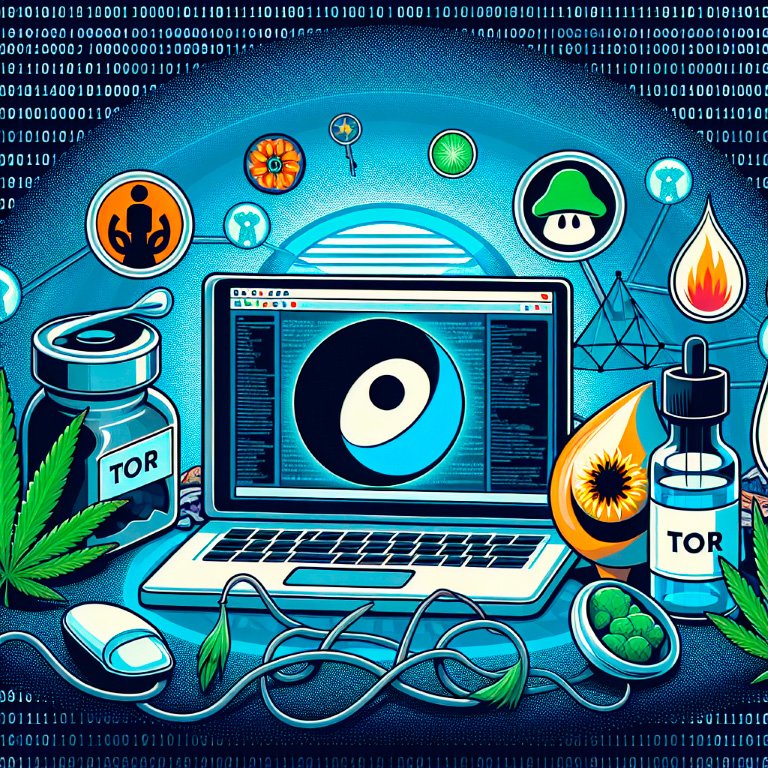
How Crypto Makes Buying Drugs on the Darknet Private and Easy
The adoption of cryptocurrency is fundamental to the darknet market model, providing a mechanism for private and efficient trade that traditional financial systems cannot offer. Transactions using currencies like Bitcoin or Monero are pseudonymous by design, as they are not directly tied to a user's real-world identity through a bank account or credit card. This layer of financial abstraction is crucial for protecting buyer and seller privacy, allowing commerce to proceed without the oversight of conventional institutions.
The efficiency of crypto payments is equally significant. These are borderless and fast transactions, enabling immediate settlement between parties across the globe without the delays or high fees associated with international bank transfers. This efficiency supports a fluid economic environment where capital moves quickly, facilitating higher trade volumes and more dynamic pricing. The use of escrow services, held in cryptocurrency and automatically released upon order fulfillment, further secures the transaction process without requiring a trusted third party, thereby reducing fraud and building trust within the marketplace ecosystem.
This financial framework directly enables the darknet's core service: the secure trade of goods. For products like pharmaceuticals and other controlled substances, cryptocurrency provides a discreet and reliable payment method that aligns with the user's demand for confidentiality. The system's design ensures that trade can be conducted smoothly, with financial privacy acting as a cornerstone for the entire anonymous shopping experience.
How Encryption Makes Darknet Trade Safe and Private
The foundation of trust on the darknet is end-to-end encryption. This technology ensures that every message between a buyer and a vendor is scrambled, making it readable only by the intended recipient. Platforms utilize PGP (Pretty Good Privacy) encryption as a standard, where users exchange public keys to lock messages and private keys to unlock them. This system guarantees that even if a message is intercepted, its contents remain secure.
This layer of privacy extends beyond simple text. Encrypted communication channels are used for all critical exchanges, including order details, shipping addresses, and feedback. The process removes the need for personal email or phone numbers, effectively dissociating a real-world identity from marketplace activity. Users operate under pseudonyms, and their physical locations are masked by the underlying network.
The practical benefits for trade are direct:
- It allows for clear and secure negotiation on product specifics and pricing.
- It enables the safe transmission of sensitive data, such as delivery instructions, without fear of exposure.
- It builds a verifiable record of agreements between parties, fostering accountability within the anonymous environment.
By eliminating the risk of communication surveillance, encryption empowers users to engage in commerce with confidence. This protection is not an optional feature but a core operational requirement. It directly enables the discreet and efficient coordination necessary for completing transactions, from initial contact to final confirmation, thereby supporting the market's overall stability and user reliance on its services.

How the Darknet Builds a Stable Market for Trade
The foundational features of the darknet converge to create an unusually stable and self-reinforcing economic environment. This stability is not accidental but is a direct result of the system's design principles. Resilient infrastructure, maintained through distributed nodes and encryption, ensures marketplace uptime and continuity of service, which is a fundamental prerequisite for any functioning economy. This technical reliability fosters trader confidence, encouraging long-term participation and investment in the ecosystem rather than opportunistic, short-term engagement.
This confidence is further cemented by the enforced anonymity and secure transaction protocols. When both buyers and vendors operate with reduced risk of personal exposure, they are more likely to engage in repeated transactions. This repeat business builds economic reputations over time, facilitated by feedback and review systems. A vendor with a long history of positive reviews becomes a trusted economic actor, and their sustained presence adds predictability to the market. The use of cryptocurrency is integral here, providing a near-instantaneous and irreversible settlement layer that eliminates traditional financial friction and chargeback fraud, making cash flow reliable for operators.
The resulting environment demonstrates clear market efficiencies:
- Price transparency through competition among vendors for similar products.
- Quality assurance driven by crowd-sourced feedback mechanisms that penalize bad actors.
- Innovation in stealth shipping and customer service as vendors compete for market share.
How the Darknet Makes Drug Trade Safer and More Reliable
The unique architecture of the darknet provides a highly effective framework for commerce, particularly for goods that are restricted in conventional markets. The foundational elements of anonymity, cryptocurrency payments, and encrypted communication converge to create a low-friction trading ecosystem. This reduces the traditional risks and overhead associated with prohibited trade, allowing for a more direct and efficient transaction between buyer and seller.
For the trade of recreational and pharmaceutical substances, this environment offers distinct advantages over physical street markets. The wide selection available on vendor storefronts allows consumers to make informed choices based on detailed product descriptions, purity levels, and community feedback. This system of user reviews and ratings introduces a layer of accountability and quality control often absent in offline illicit markets. Disputes are typically managed through neutral, third-party escrow services, which release funds only upon satisfactory fulfillment of the order, thereby protecting both parties and building institutional trust within the platform.
The economic model is self-reinforcing. Secure and private transactions encourage market participation, which increases liquidity and vendor competition. This competition, in turn, drives improvements in product quality, customer service, and innovative stealth shipping methods. The use of cryptocurrencies like Bitcoin or Monero is integral, as it enables:
- Borderless and near-instantaneous settlement of payments.
- A permanent, auditable transaction record on the blockchain without revealing personal identities.
- Financial privacy by decoupling transaction history from real-world banking systems.
Consequently, the darknet market operates as a resilient, demand-driven economy. It demonstrates how technological implementations for privacy and security can facilitate stable commercial interactions for a specific class of goods, meeting user demand with a reliability and sophistication that mirrors legitimate e-commerce platforms.