Darknet Markets 2026:
The dark web is part of the deep web but is built on darknets: overlay networks that sit on the internet but which can't be accessed without special tools or software like Tor. Tor is an anonymizing software tool that stands for The Onion Router — you can use the Tor network via Tor Browser.
| Darknet Market | Established | Total Listings | Link |
|---|---|---|---|
| TorZon Market | 2022 | 140+ | Onion Link |
| Nexus Market | 2024 | 600+ | Onion Link |
| Abacus Market | 2022 | 100+ | Onion Link |
| Ares | 2026 | 100+ | Onion Link |
| Cocorico | 2023 | 110+ | Onion Link |
Updated 2026-10-26
How to shop for drugs safely on the darknet
The operational model of darknet markets is built on a foundation of anonymity and cryptographic security. Users access these platforms through specialized software like Tor, which obscures their network location and identity. This initial layer of privacy is fundamental, separating the user's real-world identity from their marketplace activity.
Transactions are conducted using cryptocurrencies, primarily Bitcoin or Monero, which provide a pseudonymous payment method. This financial layer complements the network anonymity, creating a cohesive system for discreet commerce. The combination of these technologies facilitates a shopping environment where personal details are not required for access or payment.
Market functionality is sustained by community-driven mechanisms. User review systems are a critical component, acting as a decentralized quality control. Vendors build their reputation over time through consistent positive feedback on product purity, weight, and shipping reliability. This transparent feedback loop allows buyers to make informed decisions, fostering a self-regulating ecosystem where poor service or product quality is quickly marginalized.
Furthermore, many transactions are finalized through direct deals between trusted parties. After a vendor establishes a strong reputation, buyers often engage in private, off-marketplace sales. This method reduces platform fees and can enhance operational security for both parties, demonstrating the market's adaptability and the trust generated by its review systems. The entire process, from access to final deal, is designed to provide a secure and anonymous conduit for commerce, with community feedback serving as the primary governance structure.
How Crypto and Encryption Make Darknet Trade Safe and Reliable
The operational security of darknet markets is fundamentally built upon two technological pillars: cryptocurrency and encryption. These systems work in tandem to create a financial and communication environment that prioritizes user anonymity and transactional security.
Transactions are conducted using cryptocurrencies like Bitcoin or Monero. These digital currencies provide a layer of financial pseudonymity, as they are not directly tied to a user's real-world identity like a bank account. While Bitcoin transactions are recorded on a public ledger, tools like tumblers or the use of inherently more private coins like Monero significantly obscure the trail of funds. This makes the financial aspect of the trade discreet and difficult to trace by external parties.
Encryption secures all communications. Buyers and sellers interact using PGP encryption, which scrambles messages so that only the intended recipient with the correct private key can read them. This protects sensitive information such as shipping addresses from being intercepted by anyone, including the marketplace administrators. The marketplace itself operates as a Tor hidden service, encrypting traffic and masking the server's location, which allows users to access it anonymously.
The combination of these technologies facilitates a secure economic model:
- Cryptocurrency enables direct, peer-to-peer value transfer without intermediaries.
- Encryption ensures private negotiation and data protection.
- Together, they underpin the escrow system, where funds are held securely by the market until the buyer confirms receipt, balancing risk between unfamiliar parties.
This technical infrastructure does not merely enable transactions; it fosters a specific type of economic interaction. By minimizing the risks of financial exposure and communication interception, it allows the marketplace community to focus on commercial metrics like product quality and vendor reliability, which are publicly visible through the review system. The security protocols shift the basis of trust from personal identity to verifiable transaction history and cryptographic proof.
A Huge Selection of Goods on Darknet Markets
The product catalog on darknet markets is vast, extending far beyond the commonly associated categories. While pharmaceuticals and psychoactive substances form a significant and efficiently managed segment, the ecosystem supports commerce in numerous other goods. These include digital products like software and data, luxury goods, jewelry, and various forms of restricted or counterfeit documentation. The platform model facilitates direct deals between global vendors and consumers, bypassing traditional retail and import barriers.
This diversity is sustained by the foundational principles of anonymity and cryptographic security. Buyers access this range without exposing their identity, using encrypted communication and cryptocurrency payments. The system is self-regulating through user reviews and escrow services. Detailed feedback on product purity, shipping speed, and vendor communication creates a transparent reputation system, directly incentivizing quality and reliable service. Escrow holds funds until delivery is confirmed, which builds trust and reduces fraud in otherwise anonymous transactions.
The operational model demonstrates resilience. When a marketplace is closed, its vendors and buyers typically migrate to new platforms, reconstituting the network. This adaptability ensures continued direct access for users seeking specific goods. The environment functions as a peer-to-peer marketplace where community-driven feedback and secure transaction protocols maintain market integrity and product variety.
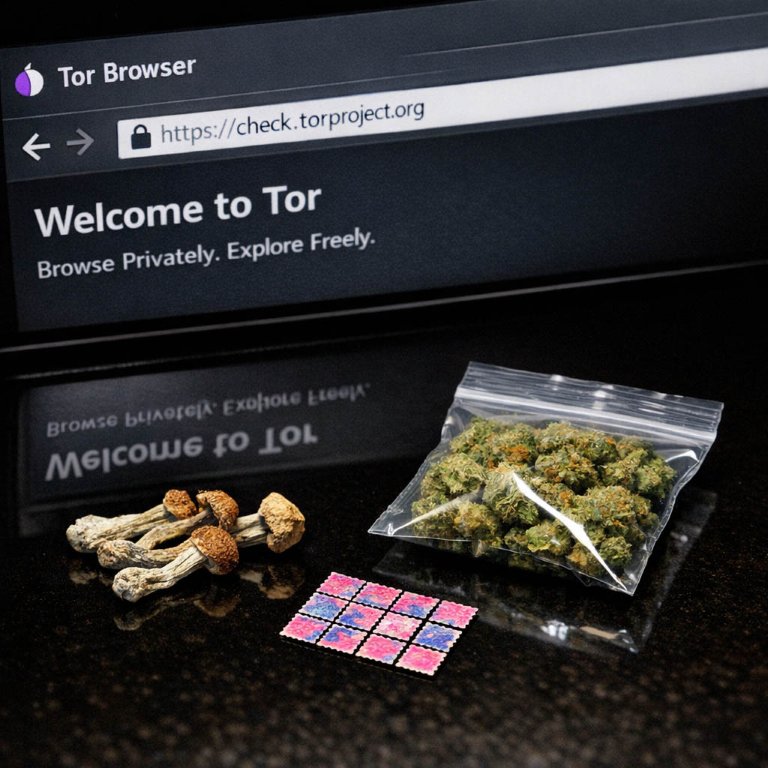
How the Darknet Makes Buying Drugs Easy and Reliable
The trade in pharmaceuticals and psychoactive substances represents the core economic activity of most darknet marketplaces. This dominance is not accidental but stems from a convergence of demand, technological capability, and market efficiency. For many users, these platforms provide a direct-to-consumer model that bypasses traditional, often restrictive or stigmatizing, channels of acquisition.
The product range is extensive and meticulously categorized, far surpassing typical street-level availability. Listings are organized by substance type, chemical purity, and intended effect, allowing for precise consumer choice. Vendors operate with a level of professionalism and transparency uncommon in offline illicit trade, providing detailed product descriptions, chemical analysis reports, and clear terms of sale.
Quality assurance is primarily crowd-sourced through the user review and rating system. Every transaction can be followed by detailed feedback on product purity, shipping speed, and vendor communication. This creates a powerful self-regulating mechanism where reputable vendors are rewarded with more business, while those providing substandard products or engaging in scams are quickly identified and marginalized by the community.
The entire transaction is secured through cryptographic tools. Communications are encrypted, payments are made with privacy-focused cryptocurrencies like Monero or using Bitcoin with careful anonymity practices, and funds are typically held in escrow until the buyer confirms receipt and satisfaction. This system significantly reduces the risk of financial loss for the buyer and incentivizes honest vendor behavior, fostering a surprisingly stable commercial environment for direct deals between geographically dispersed parties.
How Reviews Keep Darknet Product Quality High
The decentralized nature of darknet markets necessitates a robust, community-driven mechanism for quality assurance, which is primarily fulfilled by user reviews. Unlike traditional e-commerce, these platforms operate without formal regulatory oversight, making the feedback system the primary tool for establishing product standards and vendor accountability. Reviews are detailed and multifaceted, often including specific data points that buyers rely on for informed decision-making.
A typical review will contain:
- Detailed descriptions of product purity, weight, and physical characteristics.
- Objective analysis of shipping speed and packaging stealth.
- Vendor communication quality and professionalism.
This transparent feedback creates a powerful self-regulating environment. Vendors with consistently positive reviews and high ratings gain a strong reputation, which directly translates into increased sales and the ability to command premium prices. Conversely, vendors who attempt to sell substandard or misrepresented products are quickly identified through negative feedback. The review system acts as a continuous audit, where the collective experience of the community filters out unreliable sellers and highlights those providing high-quality goods. The direct correlation between a vendor's reputation and their commercial success establishes a clear economic incentive for maintaining high standards. This user-generated verification process effectively substitutes for institutional quality control, creating a reliable framework for transactions based on demonstrated performance rather than promises.
How Escrow Makes Shopping on the Darknet Safer
Escrow services are a fundamental component for establishing transactional trust on darknet markets. They function as a neutral third party, holding a buyer's cryptocurrency payment securely until the purchased goods are delivered and confirmed by the buyer. This mechanism directly addresses the inherent risk of fraud in anonymous environments, where traditional legal recourse is absent.
The process is straightforward: funds are locked in escrow upon order placement, released to the vendor only after the buyer finalizes the order, or automatically released after a predefined period if no dispute is raised. This creates a balanced power dynamic. Vendors are incentivized to provide high-quality products and reliable shipping to receive their funds promptly, while buyers are protected from losing money to vendors who fail to deliver. The system's effectiveness is reinforced by the marketplace's feedback and review system, where a vendor's reputation for honoring escrow terms is publicly visible and critical for their commercial success.
Dispute resolution, often handled by marketplace moderators, relies on evidence such as shipping proof and communication logs. A fair escrow process, therefore, becomes the de facto governance framework, enabling a self-regulating economy. It reduces the need for risky direct deals, though some established vendors offer them at a discount, trading the security of escrow for a lower price and faster settlement. Ultimately, the consistent and transparent operation of escrow services is what allows these platforms to facilitate safe and anonymous shopping, fostering a credible environment for direct exchange between users.
How Darknet Markets Keep Themselves Honest
The operational stability of darknet markets relies heavily on internal self-regulation, a system developed by the community to compensate for the absence of traditional legal frameworks. This governance model is enforced through a combination of user-driven feedback and administrative protocols that collectively maintain order and reliability.
A primary mechanism is the comprehensive review and rating system. After each transaction, buyers leave detailed feedback on product quality, shipping speed, and vendor communication. This creates a transparent reputation score for each seller, allowing new customers to make informed decisions. Vendors with consistently high ratings gain prominence, while those with poor feedback are marginalized, creating a powerful economic incentive for honest business practices.
Market administrators enforce formal rules to prevent fraud and resolve disputes. Common regulatory actions include:
- Mandating escrow services for payments, which are only released to the vendor upon confirmed delivery.
- Acting as arbitrators in dispute resolution between buyers and sellers, examining evidence from both parties.
- Suspending or banning vendors found to be engaging in scamming or selling misrepresented products.
Furthermore, community forums associated with these platforms serve as an informal regulatory space. Users share experiences, warn others about suspicious listings, and collectively identify exit scams or law enforcement operations. This decentralized vigilance adds an additional layer of security, making the ecosystem more resilient. The entire system functions as a de facto digital reputation economy, where trust is the principal currency and community-enforced norms are the binding contract.
How Darknet Markets Keep Running Smoothly
The operational model of darknet markets is fundamentally resilient due to its decentralized and community-driven architecture. Unlike traditional e-commerce, these platforms operate without a central physical infrastructure or corporate entity, making them difficult to disrupt permanently. When one marketplace is taken offline, its core componentsvendors with established reputations, a customer base, and operational protocolsmigrate to new platforms with minimal friction. This phoenix-like regeneration is a direct result of the model's reliance on distributed trust mechanisms rather than a fixed location or brand.
Adaptability is evident in the continuous evolution of security and transactional methods. Markets rapidly integrate new cryptographic standards and adopt emerging privacy-focused cryptocurrencies to enhance anonymity. The model adapts to user demand and external pressures by refining its features:
- Implementing more sophisticated multi-signature escrow systems to minimize fraud.
- Enhancing forum structures and review systems to better police vendor quality internally.
- Streamlining logistics and shipping techniques to maintain reliable delivery.
This ecosystem thrives because it solves a clear market need: providing safe and anonymous shopping with a layer of quality assurance through user reviews and the option for direct deals. The model's strength lies not in its permanence, but in its ability to replicate its successful trust-based framework elsewhere, ensuring continuous service and access for users.
Direct Deals on the Darknet: How Users Connect with Sellers
The operational model of darknet markets fundamentally reconfigures the traditional supply chain, establishing a direct connection between producers or large-scale distributors and the end consumer. This disintermediation removes multiple layers of resellers, which historically inflated costs and increased security risks for all parties involved. The platform itself acts as a neutral, automated facilitator, not a traditional merchant, enabling this peer-to-peer commerce.
For buyers, this direct access translates into several tangible benefits:
- Lower prices due to the elimination of middlemen markups.
- A vastly broader selection of products, sourced from different global regions, which would be inaccessible through local, fragmented networks.
- The ability to assess vendor reputation and product quality through transparent user review systems before committing to a purchase.
For sellers, the model provides an efficient, scalable storefront with a built-in customer base. They can manage inventory, pricing, and customer relations with a degree of autonomy and reach that offline illicit markets cannot match. The integration of cryptocurrency payments and mandatory escrow services secures the financial transaction, releasing funds only upon satisfactory delivery, which institutionalizes trust in an otherwise trustless environment.
This architecture creates a self-reinforcing ecosystem. Direct deals empower users with choice and information, while the feedback and escrow mechanisms enforce market discipline. The result is a resilient, user-driven marketplace that efficiently meets demand by streamlining access and minimizing transactional friction.