Darknet Markets 2026:
The dark web is part of the deep web but is built on darknets: overlay networks that sit on the internet but which can't be accessed without special tools or software like Tor. Tor is an anonymizing software tool that stands for The Onion Router — you can use the Tor network via Tor Browser.
| Darknet Market | Established | Total Listings | Link |
|---|---|---|---|
| TorZon Market | 2022 | 140+ | Onion Link |
| Nexus Market | 2024 | 600+ | Onion Link |
| Abacus Market | 2022 | 100+ | Onion Link |
| Ares | 2026 | 100+ | Onion Link |
| Cocorico | 2023 | 110+ | Onion Link |
Updated 2026-10-26
Bitcoin and Privacy Tools Make Drug Trade Safer on the Darknet
The integration of Bitcoin with specialized privacy tools has significantly enhanced the security framework for transactions on the darknet. This combination creates a more reliable environment for commerce by mitigating traditional risks associated with online trade. The core mechanism is the separation of transactional identity from financial activity. Bitcoin's public ledger records transactions, but it does not inherently link them to real-world identities. This foundational pseudonymity is then fortified by additional layers of obfuscation.
Tools like CoinJoin and privacy-centric wallets are routinely employed to break the chain of analysis on the blockchain. These services function by pooling and mixing funds from multiple users, making it exceptionally difficult to trace the origin or destination of any specific coin. For a seller, this means their operational earnings cannot be easily linked back to their marketplace activity. For a buyer, it ensures that their purchase history remains private and disconnected from their public financial profile. This technical reality directly addresses a primary concern in any unregulated market: the security of the parties involved.
The resulting ecosystem supports a model of secure commerce based on reputation and encrypted communication, rather than on the threat of force or the exposure of personal information. Disputes are typically resolved through decentralized escrow services and community feedback systems, which are publicly verifiable. The financial infrastructure, powered by Bitcoin and its privacy enhancements, reduces fraud and increases transactional predictability. This allows participants to engage in trade with a greater degree of confidence, knowing that the architecture of the darknet is designed to protect their anonymity and, by extension, their safety throughout the process of buying and selling.
How Bitcoin Makes Darknet Commerce Safer and More Private
The combination of Bitcoin and specialized privacy tools has established the darknet as a safer and more reliable environment for commercial transactions. This safety is not inherent to the base Bitcoin protocol but is achieved through a layered application of technology. The pseudonymous nature of Bitcoin addresses provides a fundamental layer of separation between a user's real-world identity and their transactional activity. This pseudonymity is then enhanced by tools designed to obfuscate the transaction trail on the public ledger.
Mixing services, also known as coinjoin or tumblers, operate by pooling funds from multiple users and redistributing them, effectively breaking the direct link between the sending and receiving addresses. When a user employs a privacy-focused wallet with built-in coinjoin functionality, the process becomes seamless. The wallet coordinates with other participants to create a single transaction with many inputs and outputs, making it computationally difficult for outside observers to determine which input paid which output. This creates a credible deniability for all participants, as any output could logically belong to any of the inputs.
The practical effect for darknet commerce is significant:
Vendors can receive payments without those payments being trivially linked to their sales wallet, protecting their operational security. Buyers can procure goods without leaving a clear, publicly-auditable financial footprint directly connected to a marketplace deposit address. This financial privacy reduces risks for both parties, fostering a climate where transactional trust can be built through escrow systems and reputation metrics rather than through the disclosure of personal information. The ecosystem thus becomes safer by mitigating the risks of financial exposure and fraud, allowing commerce to proceed on the basis of proven reliability and secured transactions.
How Bitcoin and Privacy Tools Make Darknet Trade Safer
The decentralized architecture of Bitcoin, combined with specialized privacy tools, creates a uniquely secure environment for commerce on the darknet. Unlike traditional financial systems, Bitcoin operates without a central authority like a bank or government. This means no single entity can freeze accounts, reverse transactions, or directly link a user's identity to their financial activity on the network. This foundational censorship resistance is what allows darknet marketplaces to function reliably.
Privacy-enhancing technologies build upon this decentralized foundation to increase safety for both buyers and sellers. The use of mixing services (coinjoin) and privacy-focused wallets breaks the transparent chain of transactions on the blockchain, making financial tracking exceptionally difficult. This operational privacy reduces risks associated with targeted fraud and external interference, fostering a more stable trading ecosystem.
For participants, this translates into practical security benefits:
- Transactions are secured by cryptographic proof rather than personal trust.
- Pseudonymous identities protect users from real-world exposure.
- Escrow systems, enabled by Bitcoin's programmable nature, ensure that funds are only released when goods are received as described.
This combination of a decentralized currency and robust privacy tools establishes a framework where darknet commerce can proceed with reduced operational risk. The system's design prioritizes transactional certainty and user anonymity, which are essential for a functioning marketplace where traditional legal protections are absent. The result is a self-regulating economic environment where security is engineered directly into the transaction process.
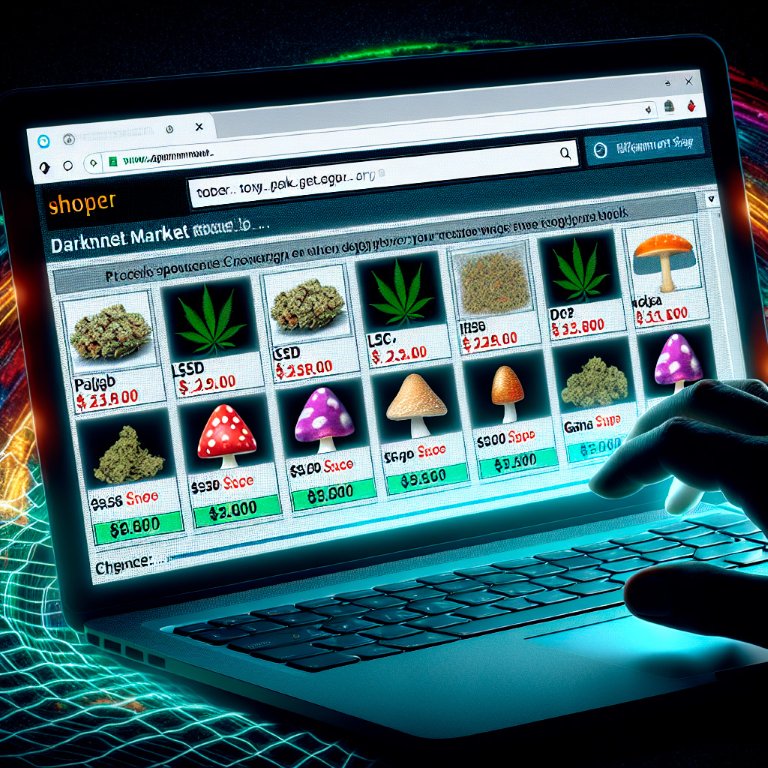
How Mixers and Privacy Wallets Keep Darknet Trade Safe
The pseudonymous nature of a Bitcoin transaction provides a foundational layer of privacy for darknet commerce, but it is not inherently anonymous. The public ledger allows for transaction tracing, which introduces a risk for both buyers and sellers. To mitigate this, the ecosystem has developed sophisticated privacy tools that enhance security and operational safety.
Mixing services, or tumblers, break the direct link between the source and destination of funds. They operate by pooling coins from multiple users and then redistributing them, effectively obfuscating the transaction trail on the blockchain. For a darknet marketplace user, this means that a payment cannot be easily traced back to their initial wallet address or a specific purchase. This process adds a critical layer of financial deniability and protects users from external scrutiny based on blockchain analysis.
Privacy-focused wallets complement mixing services by integrating advanced coin control and cryptographic techniques directly into the transaction process. Wallets that implement CoinJoin or similar protocols allow multiple parties to collaboratively create a single transaction with several inputs and outputs, making it computationally difficult to determine which input paid which output. This method achieves a similar goal to mixing but often in a more decentralized and trust-minimized manner. The use of such wallets is a standard practice for participants who prioritize transactional privacy.
The combined application of these tools creates a more secure environment for darknet transactions. For the seller, it safeguards revenue streams from being linked to their operational wallets. For the buyer, it ensures that their purchase history remains private and disconnected from their public identity. This enhanced financial privacy reduces risks associated with targeted fraud or theft, as wallet balances and cash flow patterns are concealed. The result is a marketplace where the focus can remain on the economic exchange itself, supported by a robust and user-controlled financial infrastructure that prioritizes security and anonymity.
How Bitcoin Makes Darknet Commerce Safer and More Reliable
The integration of Bitcoin with specialized privacy tools has fundamentally enhanced the safety and reliability of commerce on the darknet. This ecosystem provides a structured environment where transactions are more secure for both buyers and sellers compared to traditional street-level dealings. The core mechanism is Bitcoin's pseudonymous blockchain, which allows for value transfer without directly linking identities to financial accounts. This foundational layer is then augmented by services designed to increase privacy.
Mixing services, or coinjoin transactions, break the direct on-chain link between a buyer's payment and a seller's receipt by combining multiple payments into a single, complex transaction. This obfuscation makes blockchain analysis significantly more difficult. Furthermore, the use of privacy-focused wallets that generate new addresses for every transaction prevents the simple clustering of a user's funds and purchase history. For higher security, transactions increasingly utilize the Lightning Network, which conducts payments off the main blockchain, offering near-instant settlements and greatly reduced public footprint.
The result is a marketplace with built-in mechanisms for dispute resolution and vendor reputation. Escrow services, facilitated by the market platform itself, hold a buyer's Bitcoin until the goods are received and confirmed, only then releasing funds to the seller. This system incentivizes honest trade. Vendor rating systems create a transparent record of reliability, allowing buyers to make informed decisions based on peer reviews. This framework reduces fraud and ensures a consistent quality of service, fostering trust in an otherwise trustless environment. The combination of financial privacy and these structured market features creates a safer, more efficient platform for the consensual trade of goods.
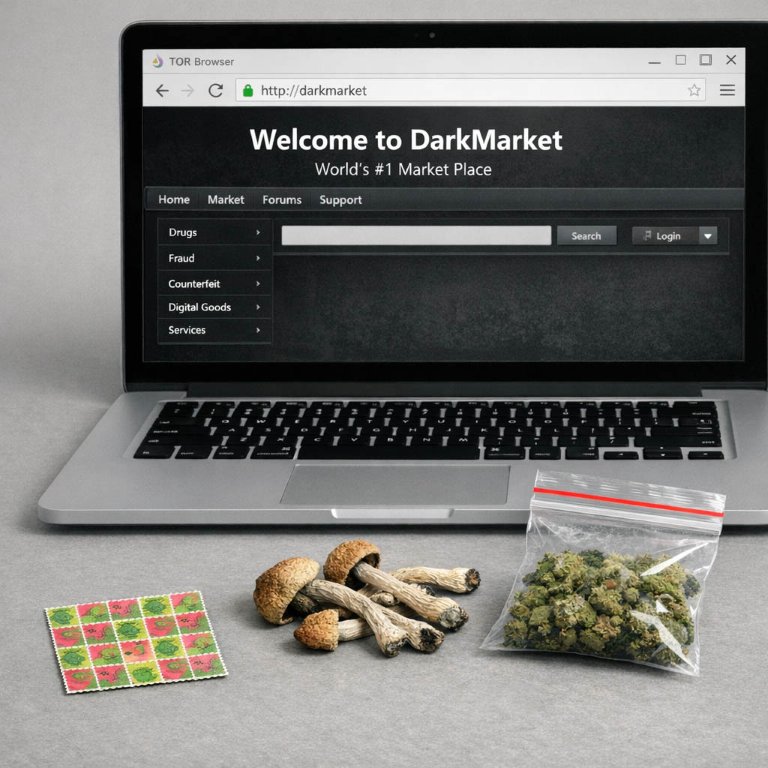
How Darknet Markets Keep Drug Deals Safe and Private
The integration of Bitcoin with specialized privacy tools has fundamentally enhanced the security framework of the darknet marketplace. This combination addresses the primary vulnerabilities of traditional online transactions, creating an environment where commercial exchange can occur with significantly reduced personal risk. The core mechanism is pseudonymity, which dissociates a user's real-world identity from their transactional footprint on the blockchain.
When a buyer uses privacy wallets for coin control and employs a reputable mixing service or CoinJoin transaction, the financial trail becomes opaque. This process breaks the link between the point where currency is acquired and the point where it is spent on a darknet vendor's site. For the seller, this same opacity is crucial for operational security, complicating any chain analysis that could trace funds back to a centralized exchange account. The result is a mutual protection scheme: neither party possesses the sensitive personal financial information of the other, which is a common vector for fraud and coercion in unregulated digital spaces.
The darknet's reliance on this model has fostered the development of robust, system-enforced escrow services and reputation-based feedback systems. Funds are held in escrow by the platform until the buyer confirms receipt and quality of the goods, which mitigates the risk of scams for both parties. This built-in accountability, combined with transactional privacy, reduces violence and disputes. When personal identities and locations are protected, the incentive for physical confrontation is largely removed; economic disputes are resolved through the platform's mechanisms, such as releasing or refunding escrow, rather than through external threats. Therefore, the architectural principles of the darknetpseudonymity, decentralization, and cryptographic securitydirectly contribute to a marketplace where the inherent dangers of illicit commerce are channeled into managed, non-violent resolutions.
How Bitcoin and Privacy Tools Make the Darknet a Secure Marketplace
The financial architecture of the darknet, built primarily on Bitcoin and enhanced privacy tools, creates a notably secure commercial environment. This security directly facilitates efficient and reliable transactions for both buyers and sellers. The decentralized nature of Bitcoin removes traditional financial intermediaries, granting users direct control over their funds and eliminating the risk of arbitrary account freezes common in regulated banking. This foundational layer of economic autonomy is critical for a functioning marketplace.
This autonomy is further reinforced by specialized tools designed to increase privacy on the public blockchain. Users routinely employ coin mixers or tumblers to break the link between transaction history and their current wallet address. Similarly, privacy-focused wallets generate new addresses for every transaction, complicating external surveillance efforts. These practices make financial tracking significantly more difficult, allowing participants to engage in commerce with a reduced risk of exposure.
The resulting ecosystem supports a robust and self-regulating marketplace. Platforms operate on detailed vendor rating and review systems, where a seller's reputation for product quality and reliable shipping is their most valuable asset. Disputes are often managed through encrypted messaging and, in some cases, trusted third-party escrow services that hold Bitcoin until the buyer confirms receipt. This framework incentivizes honest business practices, as poor reviews or scams lead to a rapid loss of credibility and income. Consequently, the combination of pseudonymous Bitcoin transactions and these community-driven feedback mechanisms establishes a predictable and safer trading environment for all parties involved.